
Leading Fire Damage Restoration Tools And Supplies
Equip yourself with reliable products designed to handle fire damage cleanup and property restoration efficiently.
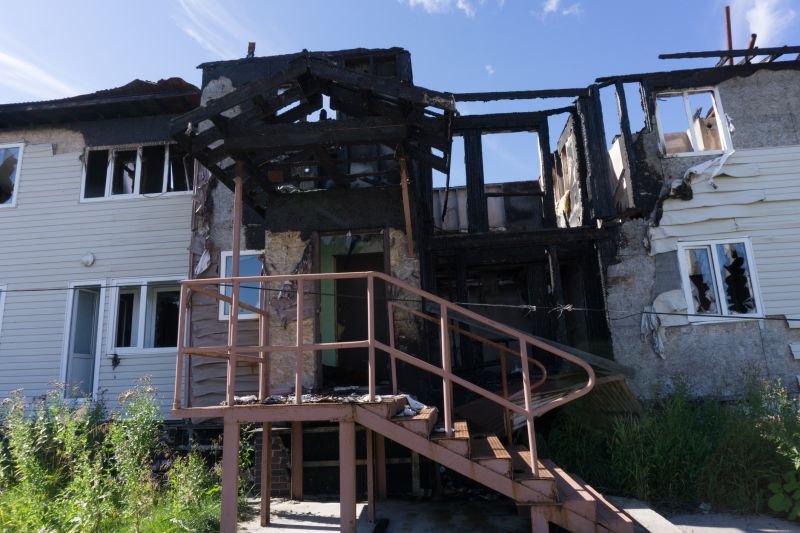 Fire restoration products are essential tools and materials used to address the aftermath of fire damage in residential and commercial properties. These products help mitigate smoke and soot residues, repair structural damage, and restore the affected areas to a safe and habitable condition. The process often requires a combination of cleaning agents, protective equipment, and repair materials designed specifically for fire-damaged environments. Proper selection and use of these products can significantly influence the efficiency and effectiveness of restoration efforts.
Top Overall Option
Multi-Purpose Fire Damage Restoration Kit
A comprehensive kit containing cleaning agents, protective gear, and repair materials designed for various fire damage scenarios. It offers versatility and convenience for both professional restorers and DIY enthusiasts seeking a complete solution for fire-affected areas.
Types of Products For Fire Restorations
Smoke and Soot Cleaners
Specialized solutions formulated to remove smoke residues and soot from surfaces, helping to reduce odors and prevent corrosion.
Odor Neutralizers
Products designed to eliminate persistent smoke smells and improve indoor air quality after a fire.
Fire-Resistant Drywall
Materials used to replace or reinforce damaged walls, providing enhanced fire resistance and structural integrity.
Sealants and Primers
Specialized sealants to contain soot and prevent odors from penetrating new surfaces, ensuring long-lasting restoration.
Air Filtration Devices
HEPA and activated carbon filtration units used to clean the air and remove airborne soot and smoke particles.
Fire-Resistant Insulation
Insulation materials that help prevent future fire spread and improve safety in restored structures.
Water Damage Restoration Products
Dehumidifiers, moisture meters, and mold inhibitors used to address water used during firefighting and prevent mold growth.
Structural Repair Materials
Reinforcement products such as fire-rated drywall, framing, and sealants to restore structural safety.
Protective Gear
Personal protective equipment including masks, gloves, and suits designed for safe handling of fire-damaged materials.
Fire-Resistant Coatings
Paints and coatings that add an extra layer of fire resistance to surfaces during restoration.
Cleaning Cloths and Sponges
Heavy-duty cleaning tools suitable for removing soot and smoke residues from various surfaces.
Deodorizing Sprays
Sprays formulated to neutralize lingering smoke smells on fabrics and surfaces.
Popular Choices
Gels that absorb and neutralize smoke odors in enclosed spaces, often used in small rooms or vehicles.
Air filtration units equipped with HEPA filters to trap fine soot particles and improve air quality.
Pre-fabricated drywall panels designed to withstand higher temperatures and provide added safety.
Effective cleaning agents formulated to break down soot and smoke residues on various surfaces.
Activated charcoal pouches used to naturally absorb and reduce smoke odors in affected areas.
Sealants used to contain soot and prevent odor migration during restoration.
Heavy-duty dehumidification equipment to remove excess moisture after firefighting efforts.
Sprays designed to eliminate smoke smells from fabrics, carpets, and surfaces.
Masks and respirators for safe handling of soot and chemical residues during cleanup.
Paints formulated to add a layer of fire resistance to walls and ceilings during repairs.
Special sponges designed to lift soot without smearing or spreading residues further.
In fire restoration, initial steps typically involve removing debris and soot, which can be highly corrosive and damaging over time. Specialized cleaning solutions are employed to eliminate smoke odors and residues from surfaces, while moisture control products prevent mold growth that can occur after water used in firefighting. Structural repairs may include fire-resistant drywall, insulation, and sealants to ensure the integrity of the building is maintained. Additionally, air filtration devices and odor neutralizers are used to improve indoor air quality and eliminate lingering smells.
Choosing the right products for fire restoration depends on various factors, including the extent of damage, material types involved, and specific restoration goals. Professionals often recommend a comprehensive approach that combines cleaning, repair, and odor control to achieve optimal results. Proper training and understanding of each product’s purpose are crucial to ensure safety and effectiveness during the restoration process. Whether working on small residential properties or large commercial spaces, having access to a versatile range of fire restoration products can streamline the recovery process and help restore properties efficiently.
Key Buying Considerations
- Extent of fire and smoke damage to determine the scope of necessary products.
- Material compatibility to ensure cleaning agents and repair materials work effectively with existing surfaces.
- Type of surfaces affected, such as drywall, wood, fabric, or metal, to select appropriate products.
- Odor removal requirements, especially in enclosed or sensitive environments.
- Safety features of protective gear and chemical products to prevent health hazards.
- Ease of use and application methods to suit both professional and DIY restoration efforts.
- Effectiveness in addressing both soot residues and water damage caused during firefighting.
- Durability and fire resistance of repair materials for long-term safety.
- Availability of comprehensive kits versus individual products based on project needs.
- Environmental conditions, such as humidity and temperature, that may influence product performance.
- Budget considerations to balance cost with the effectiveness of restoration products.
- Regulatory compliance and certifications for fire safety and chemical use.
- Brand reputation and reviews to gauge reliability and user satisfaction.
- Storage and shelf life of products to ensure readiness for emergency use.
- Compatibility with existing building codes and standards for fire safety.